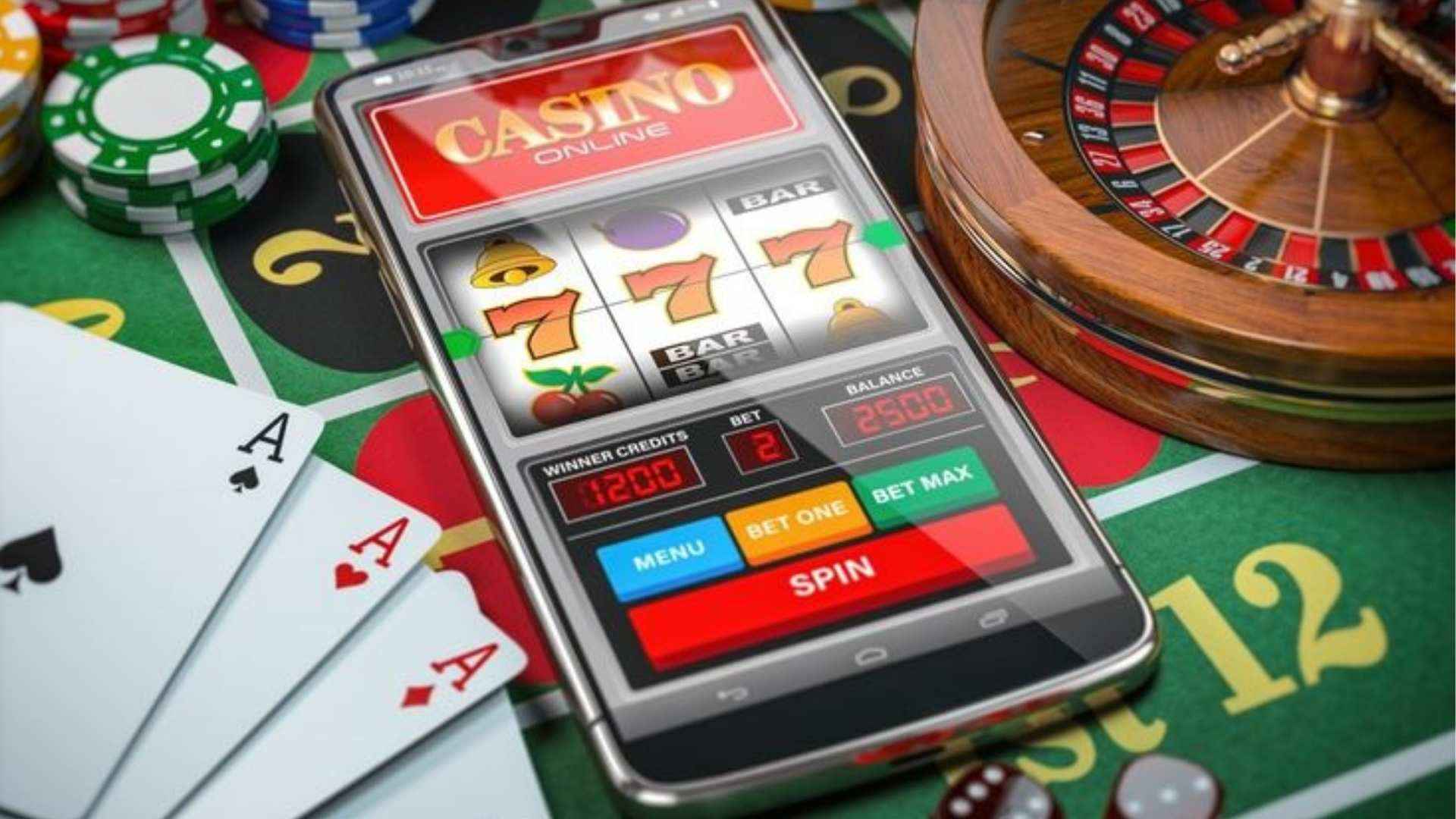
Stepping into a classic card room for the first time can feel overwhelming due to the unspoken protocols and structural arrangements. Understanding the fundamental mechanics of table dynamics is essential for any beginner looking to participate with confidence. By learning how positions and responsibilities shift, newcomers can transition from passive observers to knowledgeable participants.
The Core Dynamics of Seating Layouts
The physical arrangement of a traditional gaming table directly dictates the flow of information among players. Each seat offers a distinct perspective on the round, influencing when a participant must make a tactical decision. Recognizing how your physical placement relative to the dealer affects your choice timing is the first step toward environmental competence.
Many beginners overlook spatial dynamics, assuming that card distribution relies entirely on randomized chance. However, veteran enthusiasts know that observing the habits and actions of those seated around you provides essential data. Developing a strong awareness of the table layout helps mitigate early mistakes and builds a solid strategic foundation.
Distributing Shared Financial Responsibilities
In many historic European card variants, operational duties and financial exposure were actively shared among the participants. Unlike modern environments where a centralized house manages every stake, traditional formats often featured a rotating banking structure. This interactive arrangement transformed a standard card duel into a complex psychological exercise in risk management.
When individuals take turns managing the table funds, the social atmosphere shifts from isolated entertainment to a collective contest. Newcomers looking to explore these historic table systems or their contemporary adaptations can visit popular digital platforms like m88 to observe modern implementations. This structural balance between risk and direct participation remains a captivating element of classic tabletop culture.
The Importance of Mathematical Pace
Mastering traditional table games requires a clear understanding of how scores are aggregated and when additional cards enter play. Long before digital monitors automatically computed outcomes, players relied on mental arithmetic to follow the live game rhythm. Learning the underlying rules governing card totals allows beginners to naturally anticipate the final resolution of each round.
Relying on rigid tactical grids or chasing superficial patterns often distracts from the actual systemic foundation of the game. A balanced approach combines keen observation of live conditions with a strict respect for mathematical probabilities. By focusing on structural rules rather than emotional impulses, newcomers can navigate complex table scenarios with greater ease.
Upholding Traditional Etiquette Codes
Beyond the core numerical mechanics, classic gaming spaces have historically been defined by strict behavioral expectations. Exclusive salons established refined unwritten codes of conduct to ensure quiet respect and mutual trust at the table. Adhering to these enduring customs separates casual observers from disciplined, serious enthusiasts.
Proper table manners involve understanding when to interact, how to handle your placement, and respecting the dealer's manual rituals. Even as classic formats transition into streamlined digital spaces, maintaining an appreciation for historic etiquette enhances the overall experience. Developing this cultural respect provides a complete perspective on the sophisticated evolution of global card gaming.